
416.800.1928
Underpinning & Basement Renovations
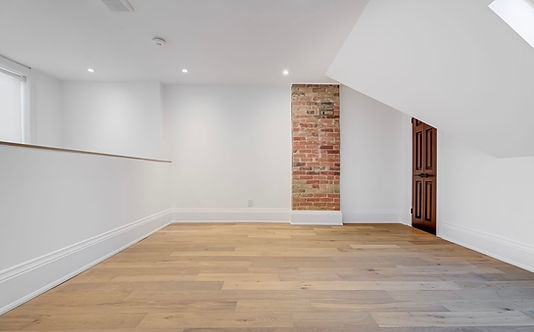
A good underpinning basement renovation focuses on both expanding usable space
and enhancing the foundation’s structural integrity. Underpinning refers to the process
of strengthening or deepening the basement foundation, which allows for additional
height or improves the overall stability of the structure. The goal is to create a safer,
more functional, and livable basement space, whether you're transforming it into a cozy
living area, a rental unit, or a home gym.
Here’s what makes a good underpinning basement renovation:
1. Structural Integrity and Safety
The underpinning process starts with excavation and the careful underpinning of the
foundation, typically using concrete piers or steel supports to stabilize and extend the
foundation. This is a delicate process, as the entire structure above needs to remain safe
during the work. A good renovation ensures the foundation is both sound and durable,
making sure that it can handle the extra weight from a finished basement and protect
against future shifting or settling.
2. Increased Ceiling Height
One of the main benefits of underpinning is that it allows you to increase the
basement’s ceiling height, creating a more comfortable and spacious living environment.
A good renovation might involve lowering the floor by a few feet to meet modern ceiling
height standards, often creating a more open, airy atmosphere that feels like part of the
main living space. This makes the basement feel less like a cramped, utilitarian space
and more like a true extension of your home.
3. Waterproofing and Moisture Control
Basements are naturally prone to moisture issues, which can be exacerbated during an
underpinning project. A good renovation includes comprehensive waterproofing, which
might involve installing sump pumps, exterior or interior drains, vapor barriers, and
high-quality sealants. These precautions prevent water damage, mold, and mildew,
ensuring the space remains dry and habitable.
4. Efficient Layout and Design
A well-designed underpinning basement renovation maximizes every square foot of
space. It often includes a flexible, open layout that can easily accommodate multiple
functions — like a living area, home office, or gym — while still providing ample storage.
Smart design features such as built-in shelving, multifunctional furniture, and hidden
storage compartments make the space feel organized and streamlined.
5. Legal Compliance and Permitting
Finally, a good underpinning renovation complies with local building codes and
regulations. This includes obtaining the proper permits, working with engineers and
architects to ensure structural safety, and meeting any necessary zoning requirements.
Following the legal process ensures the renovation is safe, professional, and fully
authorized.
A good underpinning basement renovation not only increases the livable space but also
adds significant value to your home by making previously unused space both functional
and enjoyable.